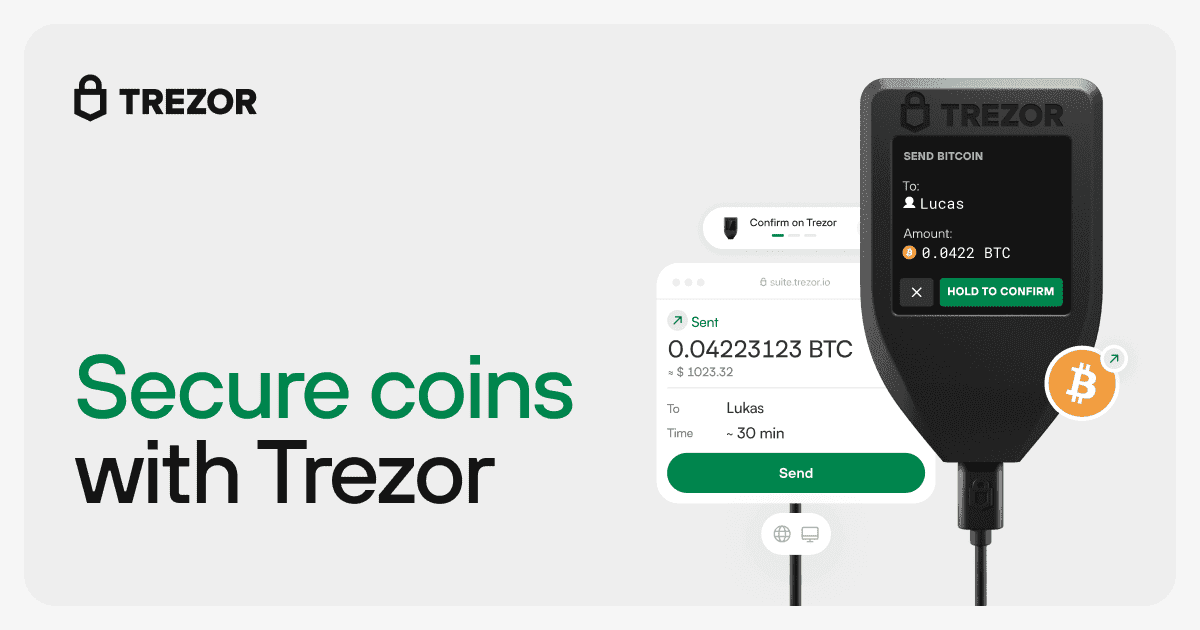
Trezor Hardware Login:Secure Your Digital Assets
In the rapidly evolving world of cryptocurrency, the mantra "not your keys, not your coins" has never been more relevant. As digital assets gain mainstream adoption, the methods used by hackers to steal them have become equally sophisticated. This is where Trezor, the world’s first hardware wallet, steps in.
This guide provides an exhaustive deep dive into the Trezor hardware login process, ensuring your journey from unboxing to transacting is seamless and, above all, secure.
1. Why Hardware Authentication Matters
Before we dive into the "how," we must understand the "why." Traditional software wallets (hot wallets) store your private keys on devices connected to the internet. This makes them vulnerable to:
Phishing attacks
Keyloggers
Malware and Ransomware
A Trezor hardware wallet acts as an "isolated environment." Your private keys never leave the device. When you "log in" to manage your funds, the sensitive cryptographic work happens on the Trezor itself, meaning even if your computer is compromised, your Bitcoin remains safe.
2. Initializing Your Trezor: The First Login
Setting up your Trezor is the most critical phase. Whether you have the Trezor Model One, the Model T, or the Safe 3, the initialization steps are designed to create a "Trustless" environment.
Step-by-Step Setup
Connect the Device: Use the provided USB cable to connect your Trezor to your computer.
Visit Trezor.io/start: Always type this URL manually to avoid phishing sites.
Install Trezor Suite: This is the primary interface for your hardware wallet. It is available as a desktop application (recommended) or a web-based app.
Firmware Installation: Your device will arrive without firmware to ensure you are installing the latest, most secure version directly from the official source.
Create a New Wallet: The device will generate a unique Recovery Seed.
⚠️ CRITICAL SECURITY NOTE: > Your 12, 18, or 24-word Recovery Seed is the only backup of your money. Write it down on the provided physical cards. Never take a photo of it, type it into a computer, or store it in a cloud service.
3. The Trezor Login Anatomy: PINs and Passphrases
"Logging in" to a Trezor isn't like logging into Facebook. It involves layers of physical and cryptographic security.
The PIN Code (Physical Security)
The PIN protects your Trezor from physical theft. If someone steals your device, they cannot access the interface without this code.
The Matrix System: Trezor uses a randomized keypad on the device screen. Your computer screen shows the grid, but the numbers are only visible on the Trezor. This prevents keyloggers from seeing your PIN.
Failed Attempts: Trezor increases the wait time between PIN entries exponentially with every wrong guess.
The Passphrase (The "25th Word")
For advanced users, the Passphrase is the ultimate security layer.
It is not stored on the device.
It creates a "hidden" wallet.
Even if someone has your physical device and your Recovery Seed, they cannot access your funds without the Passphrase.
4. Navigating the Trezor Suite Interface
Once the hardware login is successful, you enter the Trezor Suite. This is your command center for managing digital wealth.
Key Features of the Dashboard:
FeatureDescriptionAsset OverviewA real-time visual breakdown of your portfolio holdings.Send/ReceiveSecurely generate addresses. You must confirm every address on the Trezor screen.TradeBuy, sell, or exchange crypto directly within the app via verified partners.Discreet ModeBlurs your balances—perfect for logging in while in public spaces.
5. Security Best Practices for Daily Use
To maintain the integrity of your hardware login, follow these professional-grade security protocols:
Verify on Device: This is the golden rule. Always compare the address shown on your computer screen with the address shown on the Trezor’s OLED screen. If they don't match, your computer is compromised.
Check the Holographic Seal: When you first receive your Trezor, ensure the silver seal over the USB port is intact.
Update Regularly: Trezor frequently releases firmware updates to patch new vulnerabilities and add features. Always perform these updates through the official Trezor Suite.
Avoid Public Wi-Fi: While the hardware wallet is secure, using public networks can expose you to "Man-in-the-Middle" attacks that might try to trick you into a fake Trezor Suite interface.
6. Troubleshooting Common Login Issues
Sometimes, you might encounter hurdles when trying to access your wallet. Here is a quick reference guide:
Device Not Recognized: * Try a different USB cable (ensure it's a data cable, not just a charging cable).
Try a different USB port directly on the computer (avoid USB hubs).
Forgotten PIN: * If you forget your PIN, you must wipe the device and restore it using your Recovery Seed.
Firmware Update Stuck: * Enter "Bootloader Mode" (instructions vary by model) and retry the update through the Trezor Suite.
7. The Future of Hardware Logins: Trezor Safe 3
The latest generation, the Trezor Safe 3, introduces a Secure Element (EAL6+). This adds an extra layer of protection against sophisticated physical attacks, such as side-channel analysis. This makes the login process not just user-friendly, but world-class in its resistance to tampering.
Conclusion
The Trezor hardware login process is designed to be the bridge between the convenience of digital finance and the security of a Swiss bank vault. By utilizing physical PIN entry, on-device verification, and the option of a hidden passphrase, you are taking the most significant step possible in protecting your financial future.